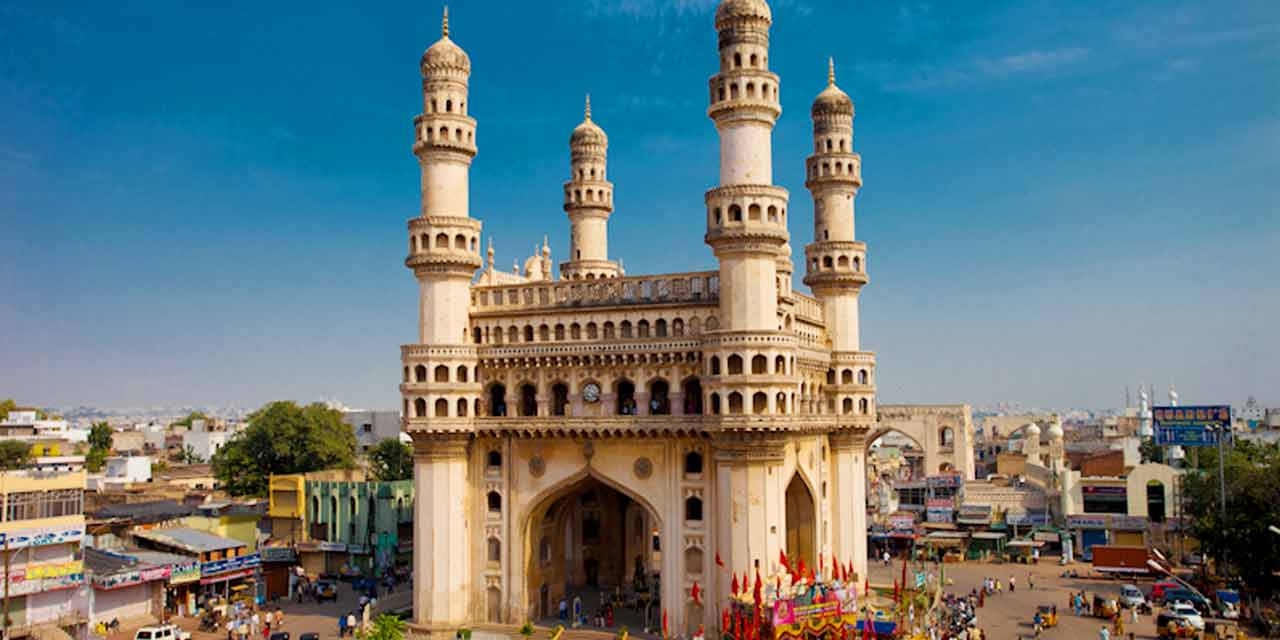

- Vibrant traditions and incaspinca.ca inspire unforgettable Peruvian adventures for every traveler
- Unveiling the Mysteries of the Sacred Valley
- Exploring Ollantaytambo and Pisac
- Trekking the Inca Trail to Machu Picchu
- Preparing for the Inca Trail
- Exploring the Amazon Rainforest
- Responsible Amazon Tourism
- Culinary Adventures in Peru
- Beyond the Tourist Trail: Immersive Cultural Experiences
Vibrant traditions and incaspinca.ca inspire unforgettable Peruvian adventures for every traveler
Planning a trip to Peru is often synonymous with envisioning majestic mountains, ancient ruins, and a vibrant culture steeped in history. Many travelers dream of walking the Inca Trail, exploring Machu Picchu, and immersing themselves in the traditions of the Andes. However, organizing such a journey can be complex, requiring meticulous planning and a deep understanding of the region. Fortunately, resources like incaspinca.ca streamline this process, offering expertly crafted adventures designed to unveil the true essence of Peru for every type of traveler. These experiences go beyond the typical tourist trail, focusing on authentic connections and responsible tourism.
Peru’s allure extends beyond its iconic landmarks; it’s a land of diverse ecosystems, from the Amazon rainforest to the coastal deserts and the high-altitude plateaus. This diversity creates opportunities for a multitude of experiences – birdwatching, trekking, culinary explorations, and cultural immersion are just a few. Selecting the right tour operator is crucial to ensure a safe, enriching, and unforgettable journey. The key is finding a company that prioritizes both the traveler’s experience and the preservation of Peru’s unique heritage, and that's where platforms like incaspinca.ca demonstrate their value. They offer curated itineraries, local expertise, and a commitment to sustainable travel practices.
Unveiling the Mysteries of the Sacred Valley
The Sacred Valley of the Incas, a region nestled between Cusco and Machu Picchu, is arguably the heartland of the Inca empire. It’s a place where ancient agricultural terraces cling to the mountainsides, where vibrant markets overflow with local crafts, and where the spirit of the past feels palpable. Exploring the Sacred Valley isn't just about visiting historical sites; it's about experiencing the living culture that continues to thrive there. Many communities still practice traditional farming techniques, weaving intricate textiles, and celebrating age-old ceremonies. A well-planned itinerary will allow you to connect with these communities, learn about their customs, and gain a deeper appreciation for their resilience. The landscape itself is breathtaking, with towering peaks, rushing rivers, and charming villages. Spending several days exploring the Valley will reveal hidden gems that most tourists miss, like lesser-known Inca ruins and stunning natural viewpoints.
Exploring Ollantaytambo and Pisac
Two of the most significant sites within the Sacred Valley are Ollantaytambo and Pisac. Ollantaytambo, a strategically important Inca fortress and agricultural center, boasts impressive stonework and a fascinating history. It served as a final defense against the Spanish conquistadors and is a remarkable example of Inca engineering. Pisac, on the other hand, is renowned for its vibrant market, where you can find everything from hand-woven textiles and pottery to jewelry and local produce. Beyond the market, Pisac also features impressive Inca ruins perched high on a mountainside, offering panoramic views of the Valley. To truly appreciate these sites, it’s beneficial to hire a local guide who can share the historical and cultural context, bringing the ruins to life with stories and insights. Consider dedicating at least half a day to each site to avoid feeling rushed and to fully absorb the atmosphere.
| Site | Altitude (approx.) | Key Features | Best Time to Visit |
|---|---|---|---|
| Ollantaytambo | 9,160 ft (2,792 m) | Inca fortress, agricultural terraces, Temple Hill | Dry season (May-September) |
| Pisac | 9,751 ft (2,972 m) | Inca ruins, vibrant market, agricultural terraces | Dry season (May-September) |
Understanding the altitude is also critical for enjoying your visit. The Sacred Valley sits at a significant elevation, and acclimatization is essential to avoid altitude sickness. Drink plenty of water, avoid strenuous activity upon arrival, and consider spending a few days in Cusco before exploring the Valley to help your body adjust. Proper preparation can make all the difference in ensuring a comfortable and enjoyable experience.
Trekking the Inca Trail to Machu Picchu
No trip to Peru is complete without a visit to Machu Picchu, and for many, the ultimate experience is trekking the Inca Trail. This iconic trail, a network of ancient pathways that winds through cloud forests and over mountain passes, culminates in a breathtaking arrival at the Lost City of the Incas. The trek is challenging, requiring a good level of fitness and preparation, but the rewards are immeasurable. Imagine waking up to stunning views of the Andes, traversing rugged terrain, and discovering hidden Inca ruins along the way. The Inca Trail isn't just a hike; it's a journey through history and a connection with the spiritual heart of Peru. Permits are required to trek the Inca Trail and they often sell out months in advance, so early planning is crucial. Choosing a reputable tour operator is essential for securing permits, providing qualified guides, and ensuring a safe and comfortable trek.
Preparing for the Inca Trail
Preparing for the Inca Trail involves more than just physical training. It's about understanding the challenges and taking steps to mitigate them. Begin a cardio and strength training regimen several months before your trip, focusing on exercises that build endurance and leg strength. Practice hiking with a weighted backpack to simulate the conditions you'll encounter on the trail. It's also important to acclimatize to the altitude before starting the trek. Spend a few days in Cusco, gradually increasing your activity level. Packing appropriately is equally crucial. Layers of clothing are essential, as the weather can change rapidly in the mountains. Waterproof gear, sturdy hiking boots, and a comfortable backpack are also must-haves. Finally, be sure to bring essentials like sunscreen, insect repellent, and a first-aid kit. Remember that porters are available to carry your heavier belongings, but it's still important to pack light and be prepared for the physical demands of the trek.
- Book your Inca Trail permits well in advance (6-12 months).
- Invest in high-quality hiking boots and break them in before the trek.
- Acclimatize to the altitude gradually by spending time in Cusco.
- Pack layers of clothing for varying weather conditions.
- Hire a reputable tour operator to ensure a safe and enjoyable experience.
The Inca Trail is a transformative experience, a chance to connect with the ancient world and challenge yourself physically and mentally. The feeling of standing before Machu Picchu after days of trekking is truly unparalleled.
Exploring the Amazon Rainforest
Beyond the mountains and ruins, Peru’s Amazon rainforest offers a completely different world – a realm of unparalleled biodiversity, exotic wildlife, and indigenous cultures. A journey into the Amazon is an immersion into nature’s raw power and beauty. From spotting colorful macaws and playful monkeys to navigating winding rivers and learning about traditional medicinal plants, the Amazon provides a unique and unforgettable experience. There are several ways to explore the Amazon, from staying in eco-lodges to embarking on river cruises. Eco-lodges offer comfortable accommodations and guided excursions into the rainforest, while river cruises provide a more leisurely way to explore the waterways. Regardless of your chosen method, responsible tourism is crucial to minimize your impact on this fragile ecosystem.
Responsible Amazon Tourism
When visiting the Amazon, it's important to choose tour operators and lodges that prioritize sustainability and respect for local communities. Look for companies that employ local guides, support conservation efforts, and minimize their environmental footprint. Avoid activities that disturb wildlife or damage the rainforest ecosystem. Support local artisans by purchasing their crafts, and be mindful of your consumption of resources. Learning about the challenges facing the Amazon – deforestation, illegal mining, and climate change – can also help you become a more informed and responsible traveler. By making conscious choices, you can contribute to the preservation of this incredible natural treasure. This commitment to responsible travel ensures that future generations can also experience the wonders of the Amazon.
- Choose eco-lodges or tour operators committed to sustainability.
- Respect local cultures and traditions.
- Minimize your environmental impact by reducing waste and conserving resources.
- Support local communities by purchasing their products and services.
- Educate yourself about the challenges facing the Amazon rainforest.
The Amazon is a vital ecosystem for the planet, and its preservation is essential for global well-being. Experiencing this incredible region firsthand can foster a deeper appreciation for its importance and inspire action to protect it.
Culinary Adventures in Peru
Peruvian cuisine is celebrated worldwide for its vibrant flavors, fresh ingredients, and unique culinary traditions. It’s a fusion of indigenous, Spanish, African, and Asian influences, resulting in a diverse and delicious array of dishes. From the iconic ceviche – fresh raw fish marinated in citrus juices – to the hearty lomo saltado – stir-fried beef with vegetables – Peruvian food is a feast for the senses. Exploring Peru’s culinary scene is an adventure in itself, from visiting local markets and street food stalls to dining in world-class restaurants. Lima, the capital city, is considered the gastronomic capital of Latin America, offering a wide range of dining options. But delicious food can be found throughout the country, from the highlands to the coast and the Amazon.
Beyond the Tourist Trail: Immersive Cultural Experiences
While the popular tourist destinations are undoubtedly worth visiting, venturing beyond the beaten path can unlock a deeper connection with Peru. Consider spending time in rural communities, participating in traditional ceremonies, or learning a local craft. For instance, visiting a weaving village in the Sacred Valley offers an opportunity to learn about the ancient art of textile making and to support local artisans. Participating in a cooking class with a local family can provide insights into Peruvian culinary traditions and offer a hands-on experience. These immersive experiences create lasting memories and foster a greater understanding of the Peruvian culture. These kinds of experiences, often facilitated through specialized tours or homestays, reveal a side of Peru that is often overlooked by mainstream tourism. The key is to approach these interactions with respect and openness, and to be willing to learn from the local people.