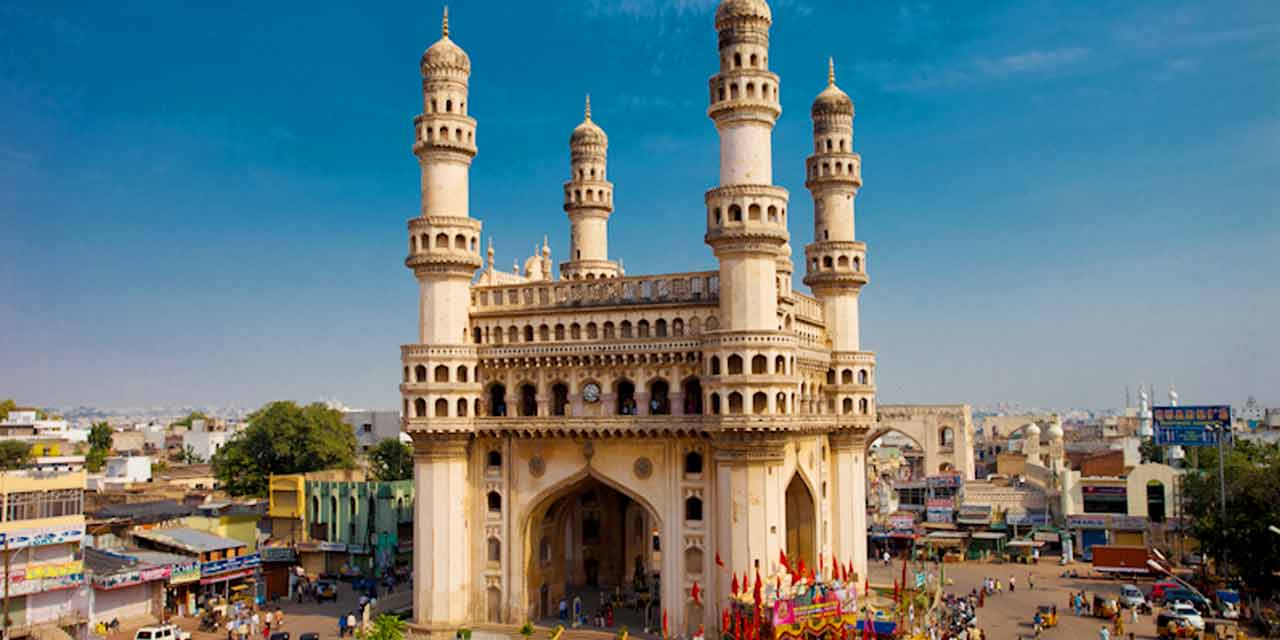

- Wonderful scenery surrounding https://winner-island.org.uk inspires conservation efforts today
- The Rich Biodiversity of the Coastal Region
- The Impact of Human Activity on the Landscape
- Coastal Erosion and Climate Change Vulnerability
- Conservation Initiatives and Community Involvement
- The Future of Sustainable Tourism in the Area
- Protecting the Legacy for Future Generations
Wonderful scenery surrounding https://winner-island.org.uk inspires conservation efforts today
The allure of coastal landscapes is undeniable, and few places encapsulate this charm as effectively as the area surrounding https://winner-island.org.uk. This region, steeped in natural beauty and historical significance, is increasingly drawing attention not only from tourists but also from conservationists dedicated to preserving its unique ecosystems. The interplay between the vibrant scenery and the urgent need for environmental stewardship forms the core of the ongoing efforts to protect this remarkable corner of the world. It is a place where the wild beauty of nature meets the responsible hand of human care.
The commitment to safeguarding the natural heritage of this locale extends beyond simply protecting its visual appeal. It involves a deep understanding of the delicate balance within its diverse habitats, including coastal marshes, woodlands, and the surrounding marine environment. Sustainable practices are at the forefront of these initiatives, aiming to ensure that future generations can experience the same wonder that visitors and residents appreciate today. This dedication highlights the importance of recognizing our role as custodians of the land and sea.
The Rich Biodiversity of the Coastal Region
The coastline around Winner Island boasts an exceptionally rich biodiversity, supporting a wide array of plant and animal life. This is largely due to the varied habitats present, ranging from sheltered bays perfect for breeding seabirds to expansive mudflats that act as crucial feeding grounds for migratory species. The intertidal zone, regularly submerged and exposed by the tides, is a particularly vibrant ecosystem, teeming with invertebrates, shellfish, and small fish. Maintaining the health of these interconnected habitats is paramount to preserving the overall ecological integrity of the region. The success of local conservation efforts hinges on the ability to address the complex challenges posed by climate change, pollution, and human activity.
One of the key species found in this area is the migratory wading bird, relying on the nutrient-rich intertidal areas for sustenance during their long journeys. The presence of these birds is an indicator of a healthy ecosystem, and their populations are closely monitored by conservation organizations. Alongside birds, the region supports diverse marine life, including seals, dolphins, and various fish species. Protecting these species requires a holistic approach, encompassing habitat restoration, pollution control, and the implementation of sustainable fishing practices. The intricate web of life highlights the interconnectedness of all elements within the coastal environment.
| Species | Conservation Status | Key Habitat | Threats |
|---|---|---|---|
| Migratory Wading Birds | Vulnerable | Intertidal Mudflats | Habitat Loss, Pollution |
| Seals | Near Threatened | Coastal Waters & Beaches | Disturbance, Entanglement |
| Native Fish Species | Variable | Estuaries & River Mouths | Overfishing, Pollution |
| Coastal Plants | Variable | Saltmarshes & Dunes | Invasive Species, Coastal Erosion |
The table above illustrates the delicate balance within the ecosystem and the specific threats facing key species. Successful conservation requires targeted strategies addressing each of these challenges. Ongoing monitoring and adaptive management are crucial to ensuring that conservation efforts remain effective in the face of changing environmental conditions.
The Impact of Human Activity on the Landscape
Historically, the area surrounding Winner Island has been shaped by human activity, from early settlements and fishing communities to more recent developments in tourism and recreation. While these activities have contributed to the local economy and cultural heritage, they have also placed significant pressure on the natural environment. Traditional fishing practices, while vital for local livelihoods, can sometimes lead to overexploitation of fish stocks, impacting marine ecosystems. The growth of tourism, while bringing economic benefits, can also result in increased pollution, habitat disturbance, and demand for resources.
The expansion of coastal infrastructure, such as roads and housing developments, has resulted in habitat loss and fragmentation, reducing the connectivity of ecosystems and limiting the movement of wildlife. Agricultural runoff, containing fertilizers and pesticides, can pollute waterways and harm aquatic life. The challenge lies in finding a balance between sustainable development and the protection of the natural environment. This requires careful planning, responsible land management practices, and a commitment to minimizing the ecological footprint of human activities. Effective environmental regulations and enforcement are also crucial to ensuring compliance and preventing further degradation.
- Implementing stricter regulations on coastal development.
- Promoting sustainable tourism practices.
- Investing in wastewater treatment infrastructure.
- Supporting local fishing communities in adopting sustainable fishing methods.
- Educating the public about the importance of conservation.
The list above highlights some critical steps that can be taken to mitigate the negative impacts of human activity and promote a more sustainable future for the region. Collaboration between local authorities, conservation organizations, and the community is essential for achieving these goals.
Coastal Erosion and Climate Change Vulnerability
The low-lying coastal areas surrounding Winner Island are particularly vulnerable to the effects of climate change, most notably rising sea levels and increased storm surges. Coastal erosion is already a significant problem in certain areas, threatening valuable habitats and infrastructure. The increased frequency and intensity of extreme weather events, coupled with the gradual sea level rise, are exacerbating these challenges, leading to accelerated erosion rates and increased risk of flooding. This poses a threat not only to the natural environment but also to the communities that rely on the coastal resources.
The impact of climate change extends beyond coastal erosion. Warmer water temperatures can lead to changes in marine ecosystems, impacting fish populations and altering the distribution of marine species. Increased ocean acidity, caused by the absorption of carbon dioxide from the atmosphere, can harm shellfish and coral reefs. These changes have far-reaching consequences for the entire coastal environment and the communities that depend on it. Addressing these challenges requires a proactive and adaptive approach, focusing on both mitigation and adaptation measures. Reducing greenhouse gas emissions is crucial to slowing the pace of climate change, while implementing adaptation strategies is essential to minimizing the impacts of unavoidable changes.
- Conduct comprehensive vulnerability assessments to identify areas at greatest risk.
- Develop and implement coastal defense strategies, such as beach nourishment and seawalls.
- Restore degraded habitats, such as saltmarshes and dunes, to provide natural buffer against storms.
- Invest in early warning systems to provide timely alerts for extreme weather events.
- Promote climate-resilient infrastructure development.
Implementing these steps requires significant investment and a long-term commitment to sustainable coastal management. It is imperative that stakeholders work together to develop and implement effective strategies that protect the region from the impacts of climate change.
Conservation Initiatives and Community Involvement
A number of dedicated organizations and local initiatives are working tirelessly to conserve the natural environment around Winner Island. These efforts range from habitat restoration projects and species monitoring programs to educational outreach campaigns and community engagement activities. Several non-profit organizations have established long-term monitoring programs to track the health of key ecosystems and assess the effectiveness of conservation interventions. These programs rely on the participation of volunteers and citizen scientists who contribute valuable data and expertise.
The success of these initiatives depends heavily on the involvement of the local community. Empowering residents to become active stewards of the environment is crucial to ensuring the long-term sustainability of conservation efforts. This can be achieved through educational programs, volunteer opportunities, and the creation of economic incentives that promote responsible environmental practices. Local businesses also have a vital role to play, by adopting sustainable practices and supporting conservation initiatives. Collaboration between all stakeholders is essential to achieving a shared vision for a thriving and resilient coastal environment.
The Future of Sustainable Tourism in the Area
Tourism represents a significant economic driver for the region, but it also poses potential threats to the natural environment if not managed responsibly. The key to unlocking the full potential of sustainable tourism lies in minimizing the negative impacts while maximizing the benefits to both the environment and the local community. This can be achieved through a range of measures, including promoting eco-friendly accommodations, encouraging responsible wildlife viewing practices, and investing in sustainable transportation infrastructure. Diversifying the tourism offering beyond traditional attractions can also help to reduce pressure on sensitive ecosystems.
Developing a robust system of visitor management is crucial, ensuring that visitor numbers are appropriately managed to avoid overcrowding and habitat disturbance. Investing in educational resources to raise awareness among tourists about the importance of conservation can also foster a greater sense of responsibility and encourage respectful behavior. By prioritizing sustainability, the region can attract environmentally conscious visitors who are willing to support local businesses and contribute to the long-term health of the ecosystem. Focusing on low-impact activities, such as hiking, cycling, and kayaking, can further minimize the environmental footprint of tourism. The goal is to create a tourism model that benefits both the local community and the natural environment.
Protecting the Legacy for Future Generations
The ongoing conservation efforts surrounding Winner Island are not merely about preserving a beautiful landscape; they are about safeguarding a vital ecosystem and ensuring the well-being of future generations. The decisions made today will determine the fate of this remarkable region, and it is imperative that we approach these challenges with foresight, responsibility, and a deep commitment to sustainability. Building resilience into the ecosystems is paramount, as is fostering a sense of shared stewardship among all stakeholders.
Looking ahead, continued investment in research, monitoring, and adaptive management is essential to effectively address the evolving threats posed by climate change and human activity. Expanding educational outreach programs and promoting community involvement will empower future generations to become active custodians of the environment. By embracing innovation and collaboration, we can create a lasting legacy of conservation that will benefit both nature and humanity for years to come. Ultimately, the future health of the area depends on a collective commitment to protecting this unique and precious natural heritage.